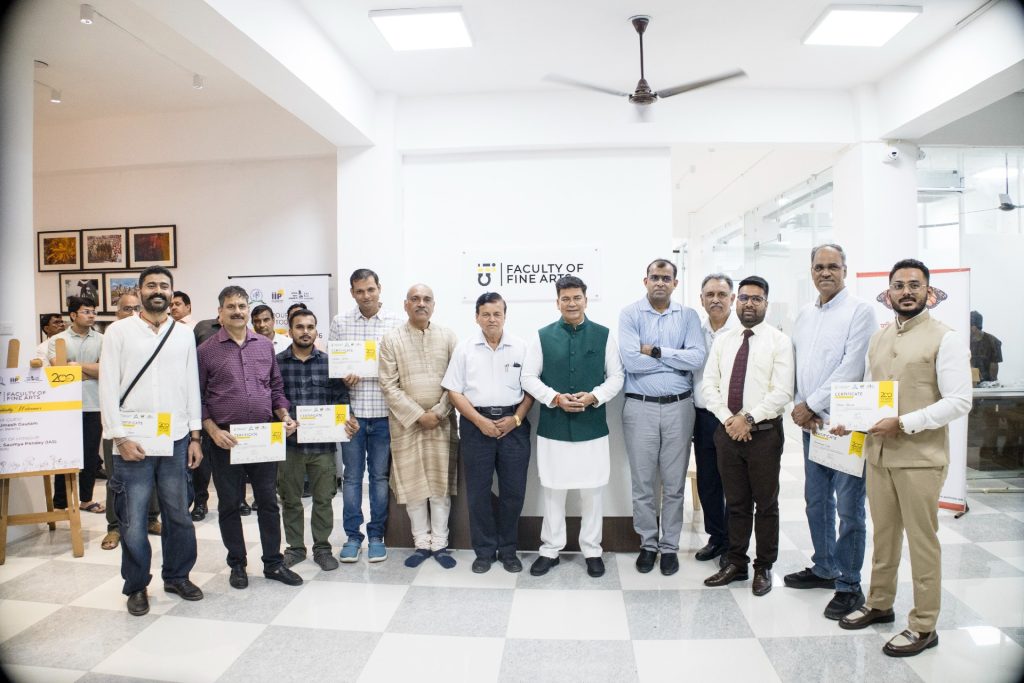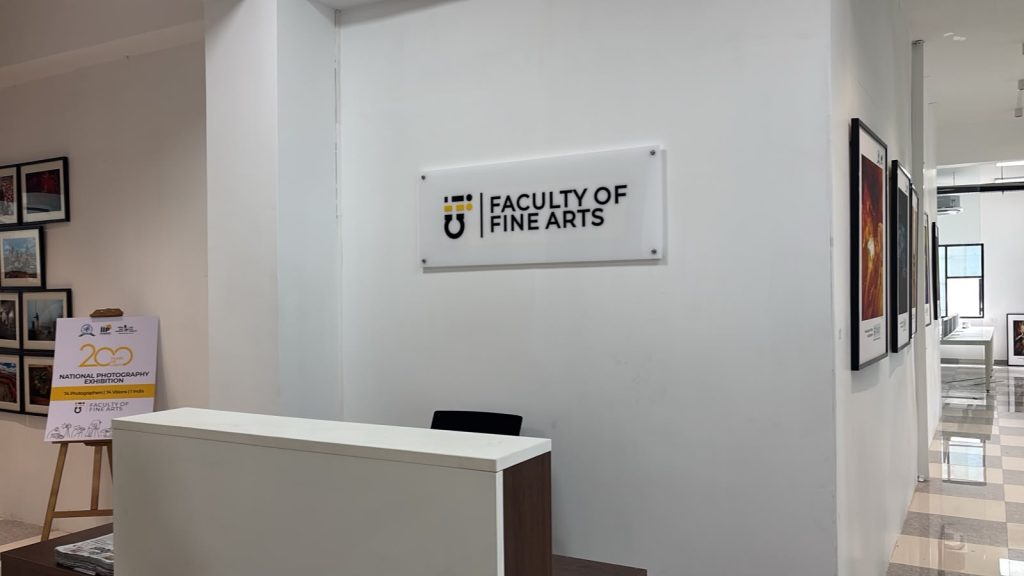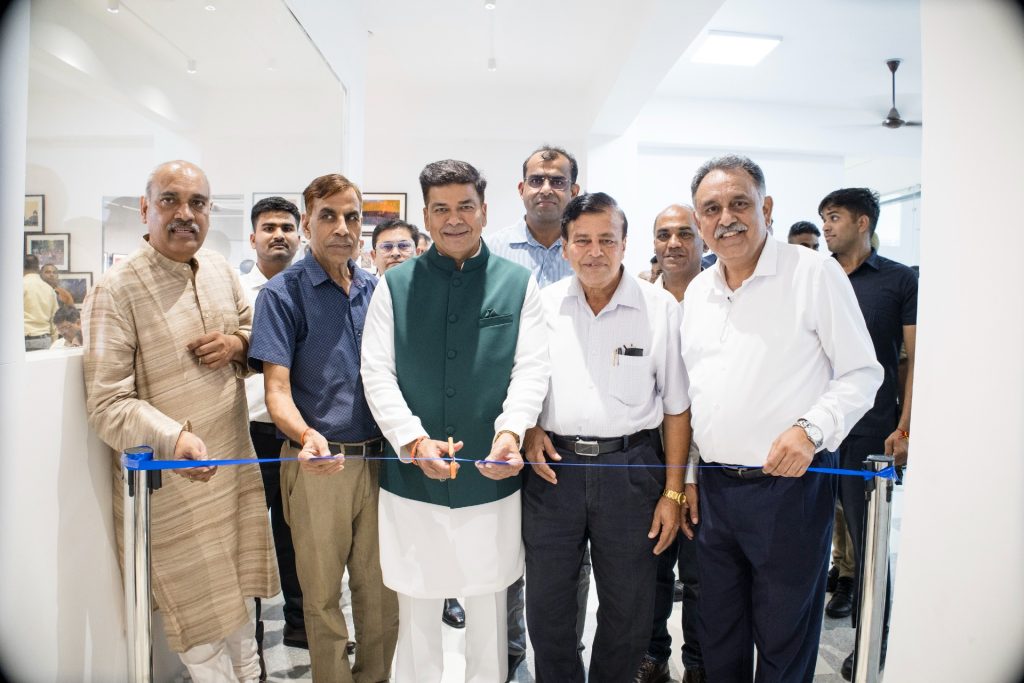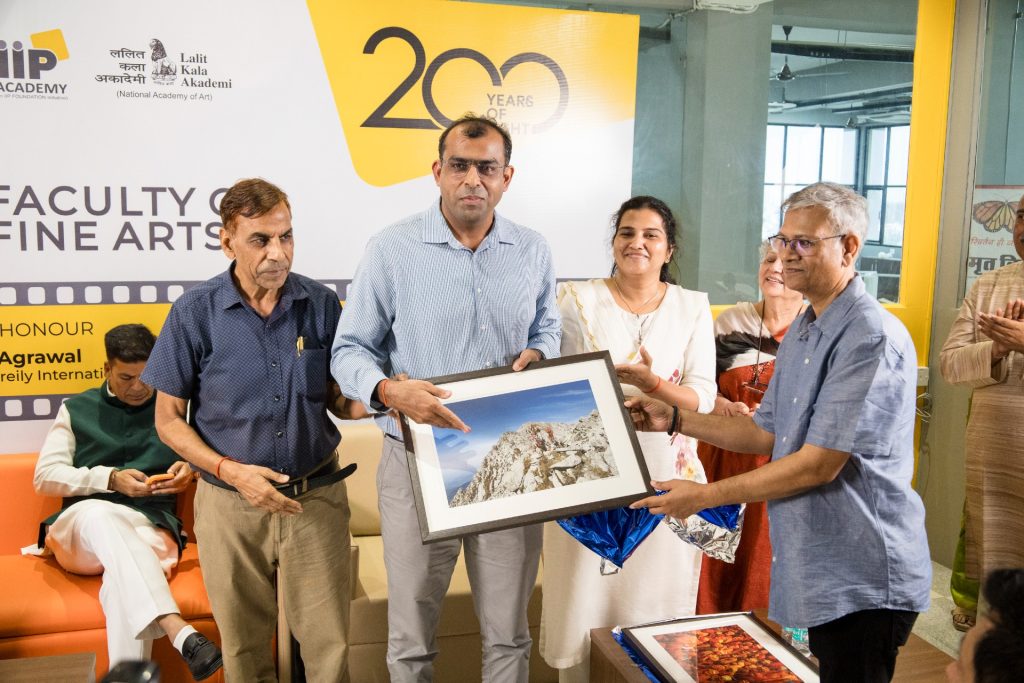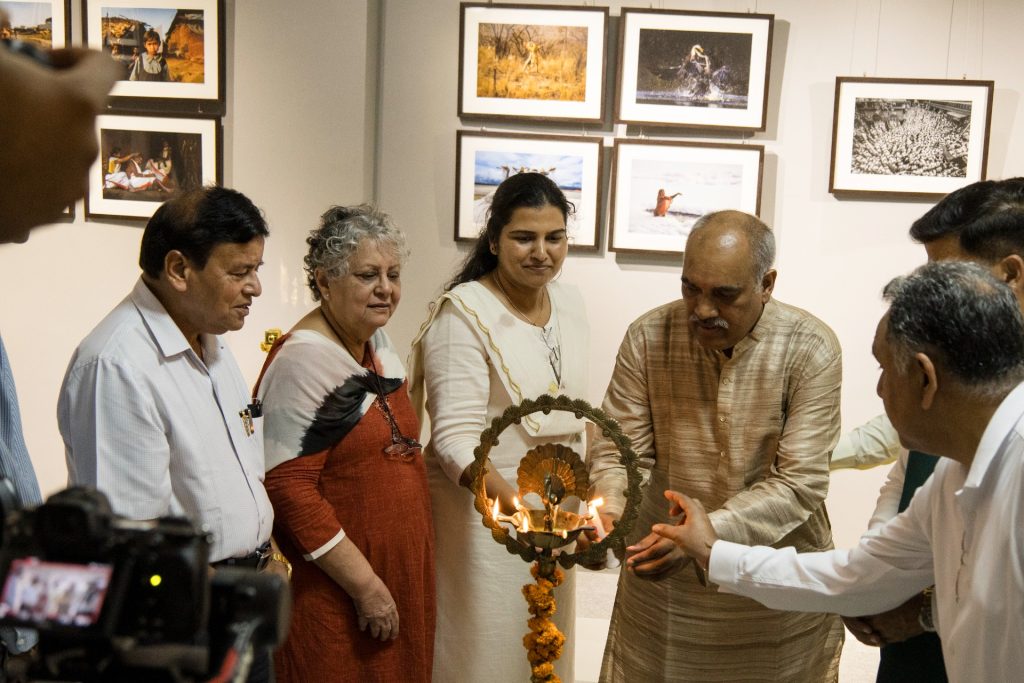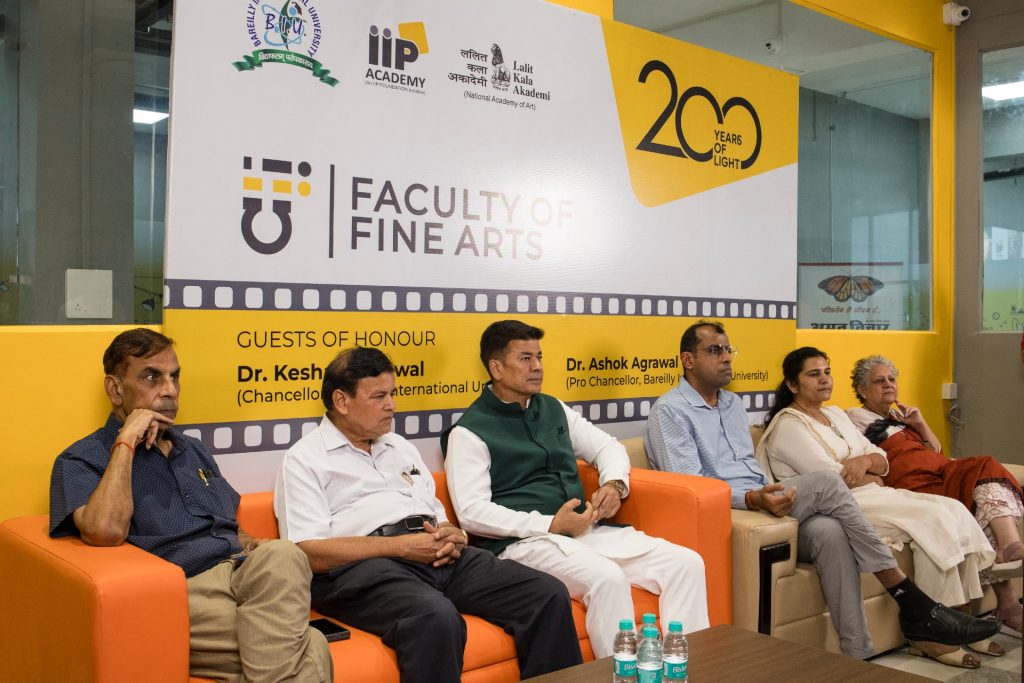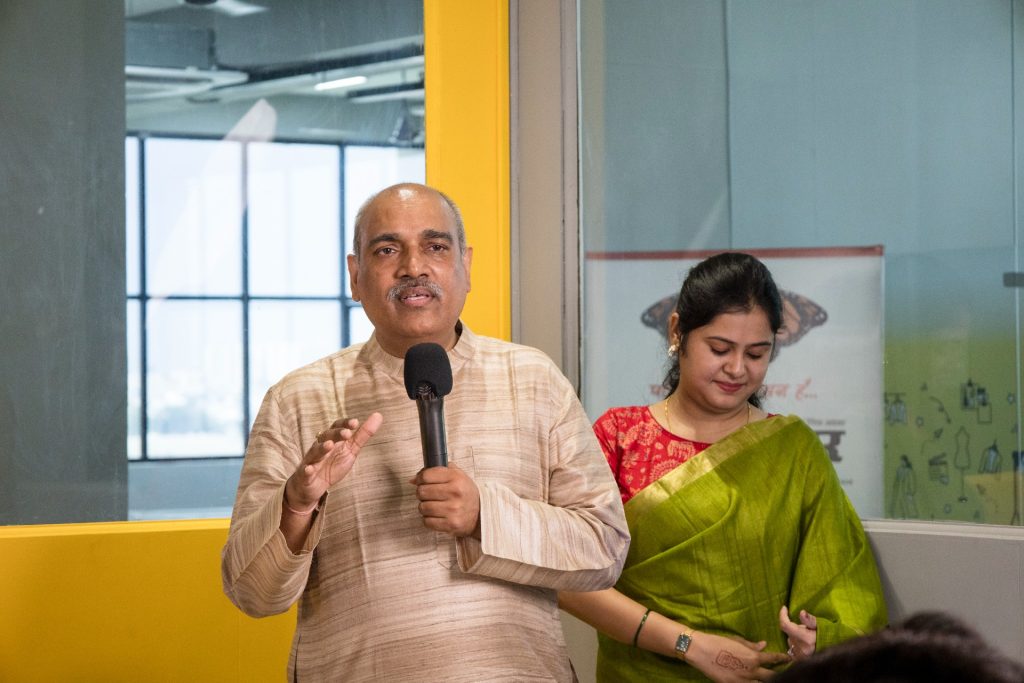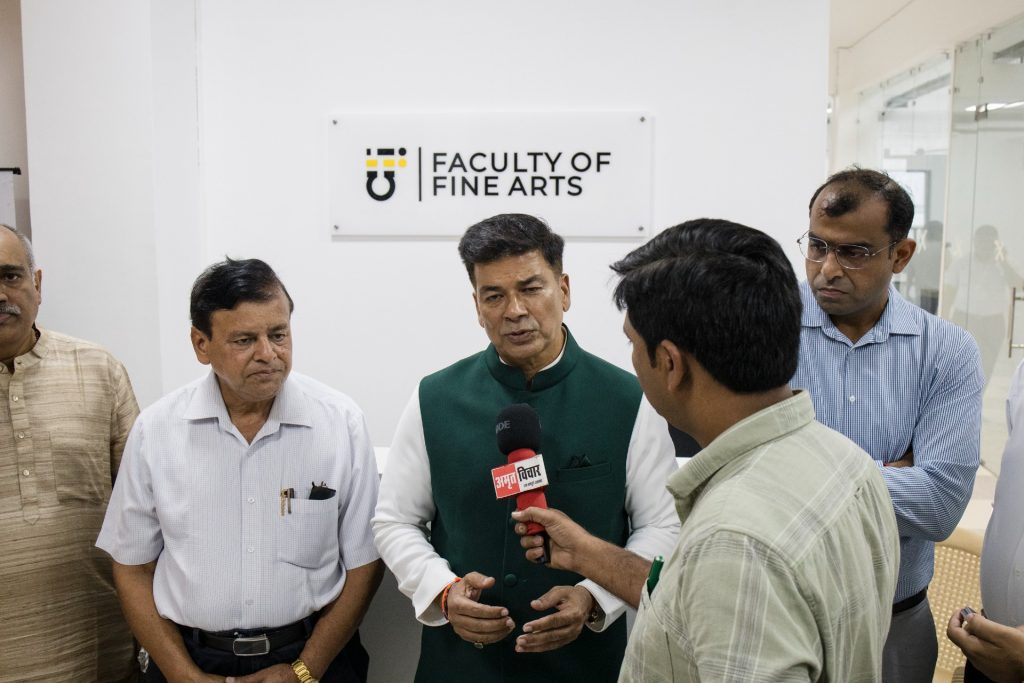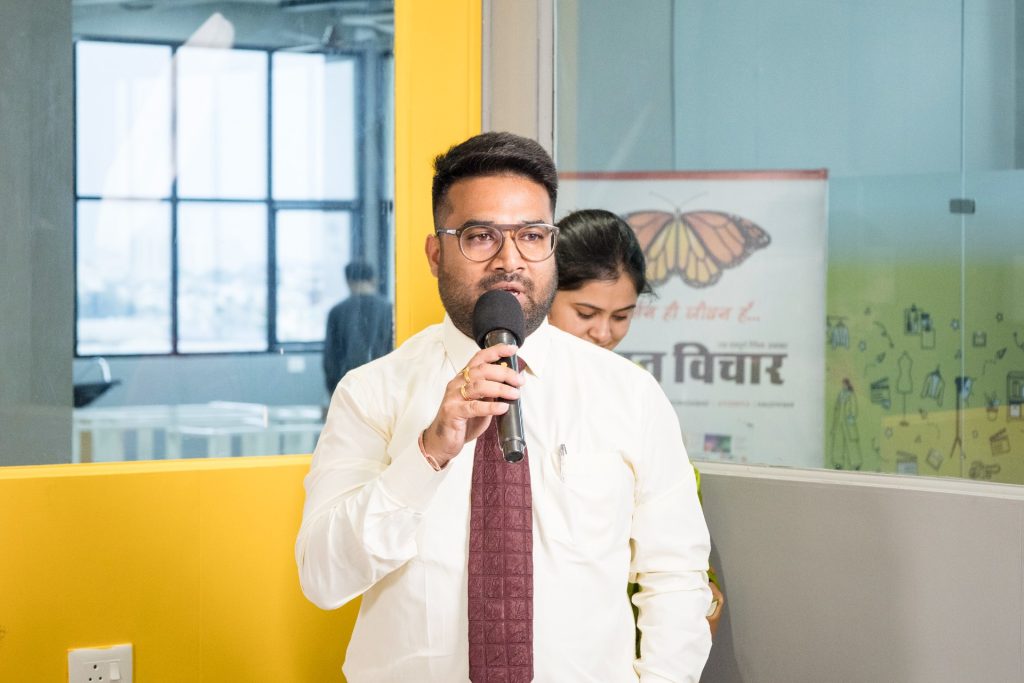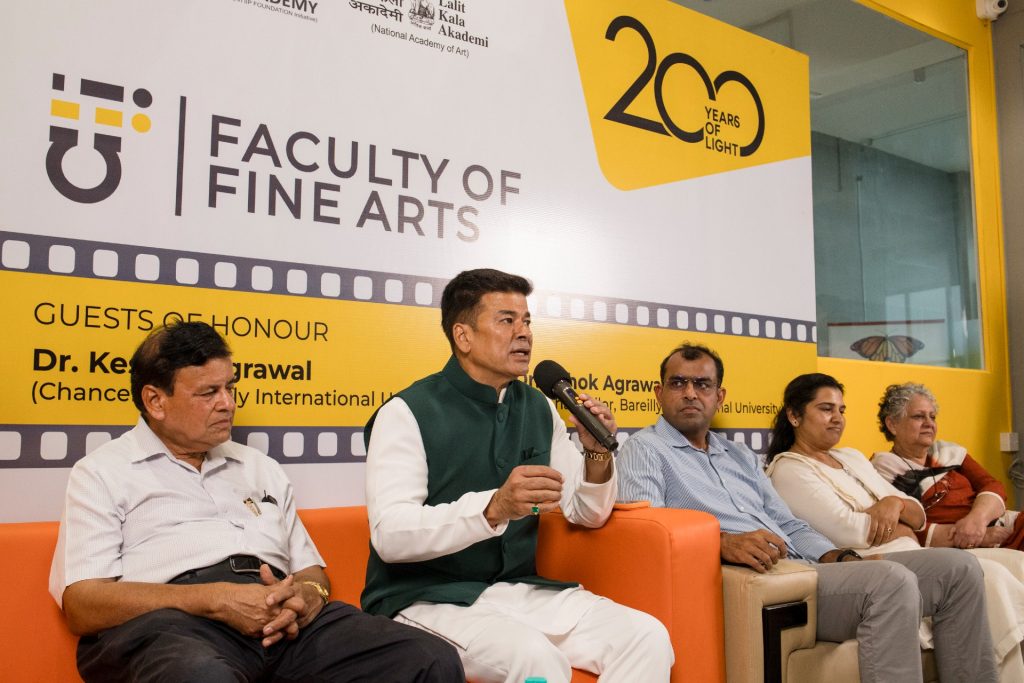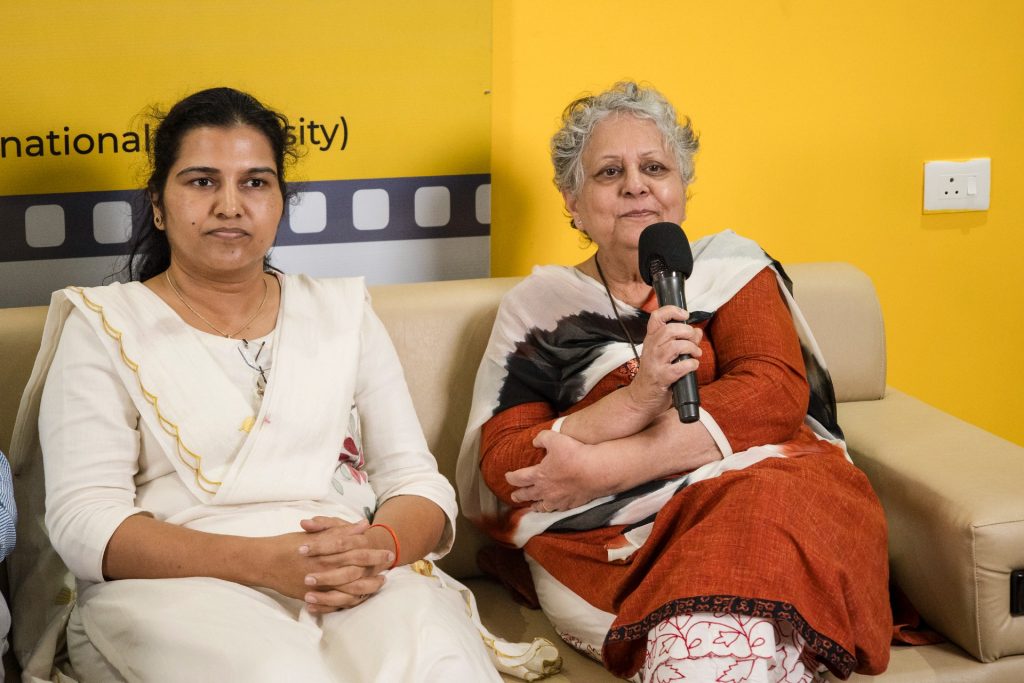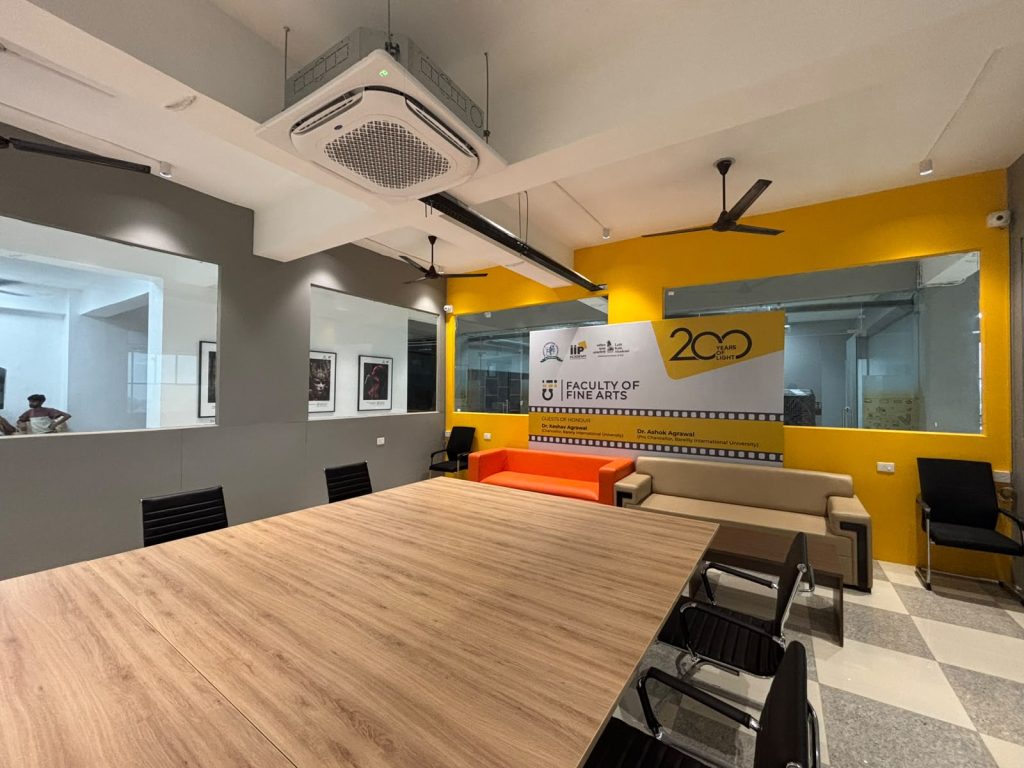




On 19 August 2026, a significant new chapter in visual arts education began with the formal launch of the Faculty of Fine Arts at Bareilly International University (BIU).
Developed through a strategic collaboration between Bareilly International University and IIP Academy, the initiative represents a shared ambition: to create an academic and cultural ecosystem capable of taking Photography, Fine Arts and the wider spectrum of Visual Arts to an international level.
For IIP Academy, this collaboration is not simply about extending an academic programme. It is about helping create an institution where education, artistic practice, technology, exhibitions, mentorship, research and engagement with the professional creative world can coexist.
Building an Ecosystem, Not Just a Faculty
The future of visual arts education cannot be confined to classrooms.
Students of photography, design and fine arts need spaces in which they can experiment, exhibit, discuss, critique, collaborate and encounter serious professional work. They need access not only to faculty members and curriculum, but also to practising photographers, artists, curators, institutions and cultural conversations beyond the campus.
This thinking lies at the heart of the new Faculty of Fine Arts at Bareilly International University.
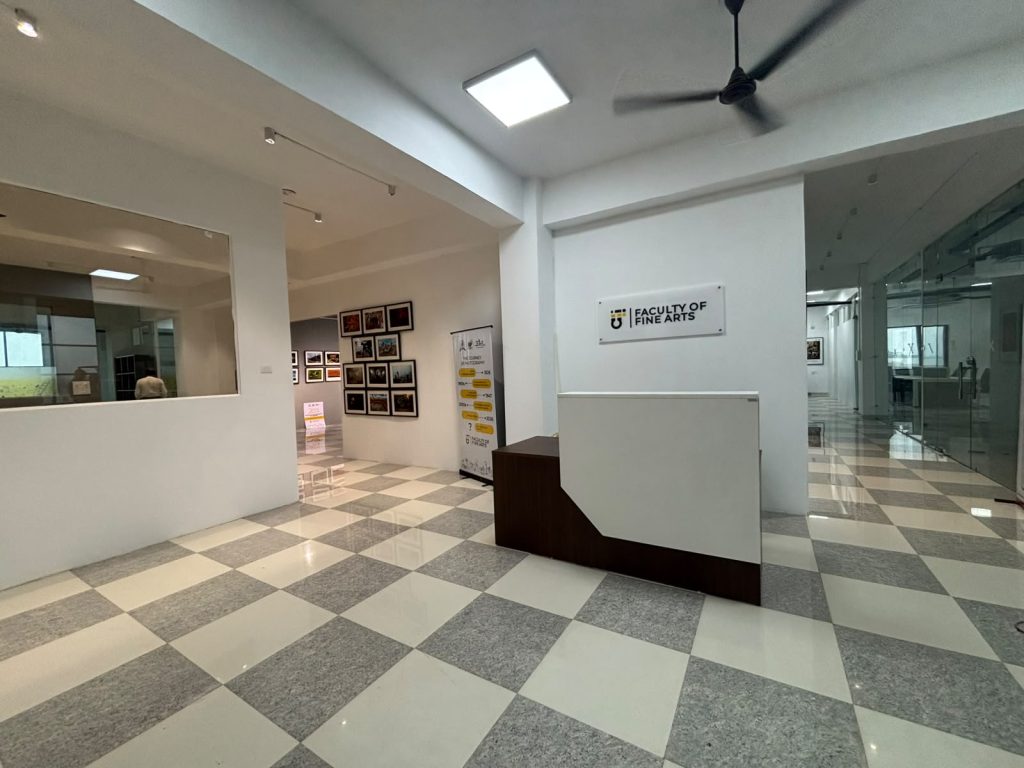
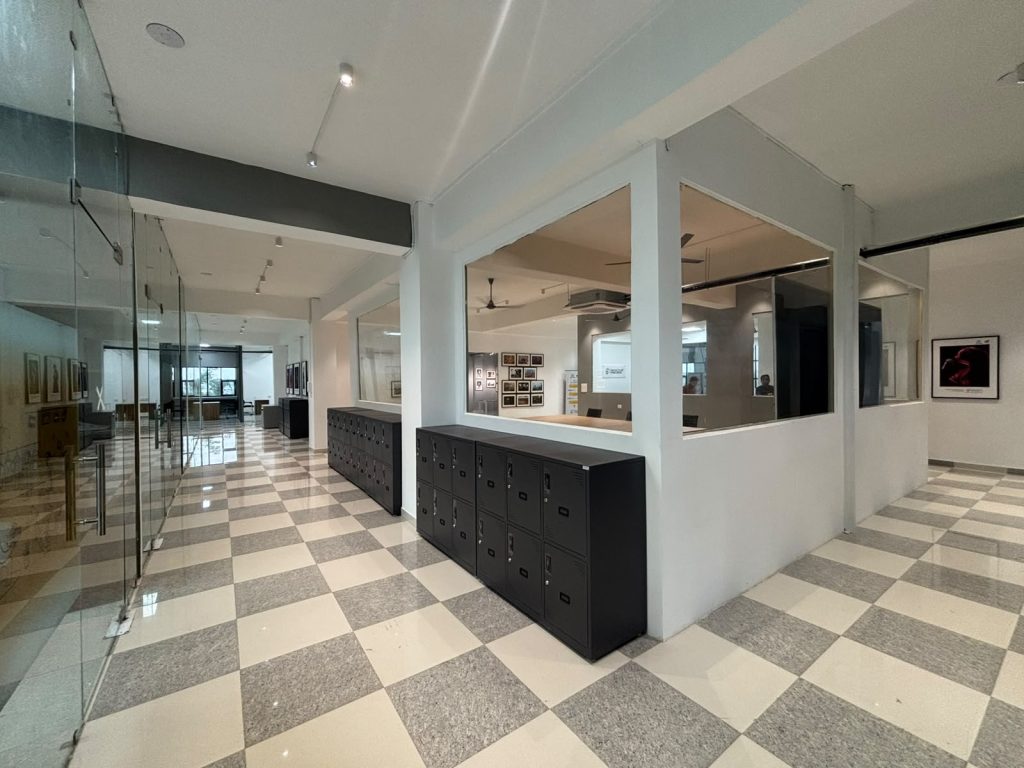
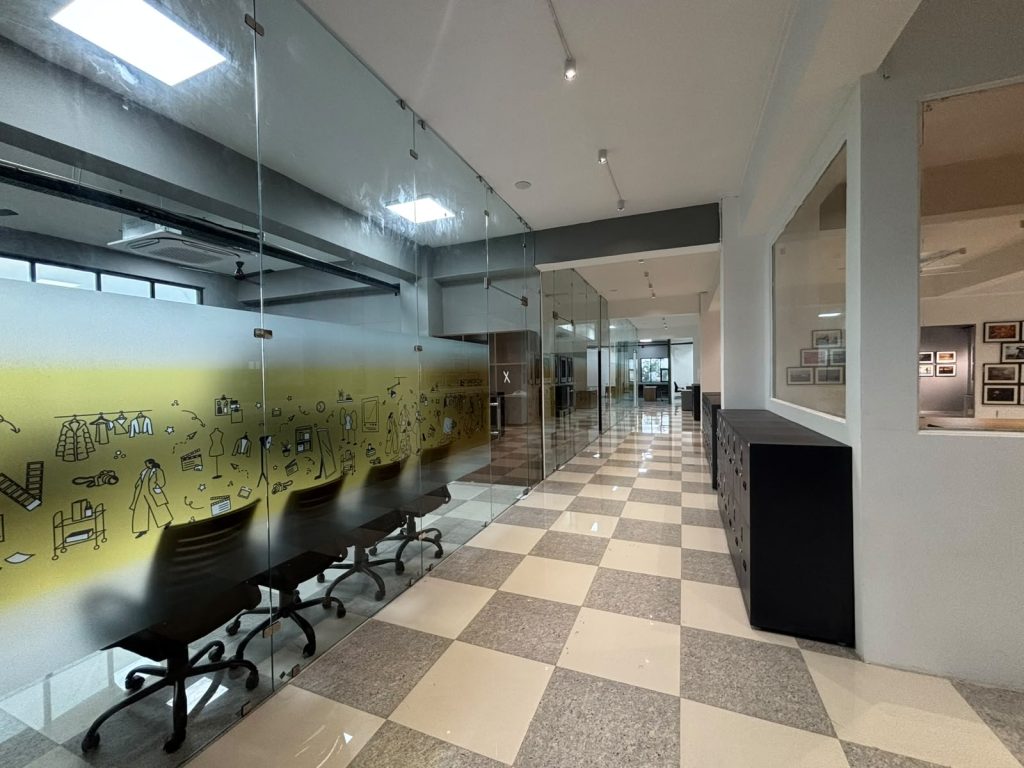
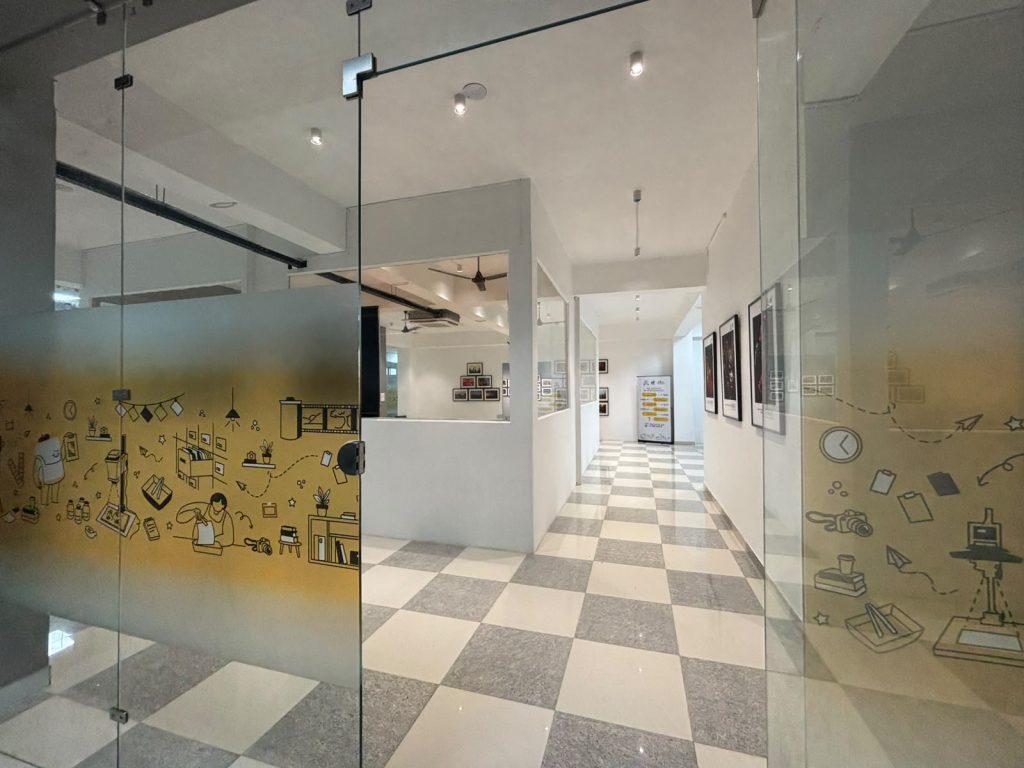
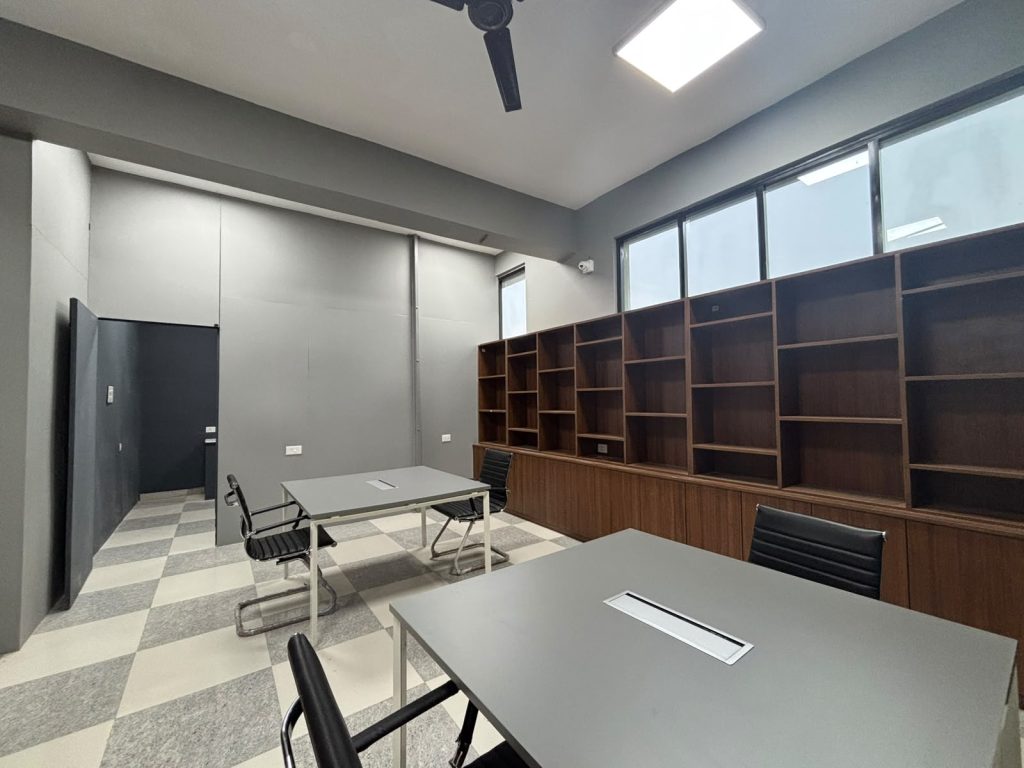
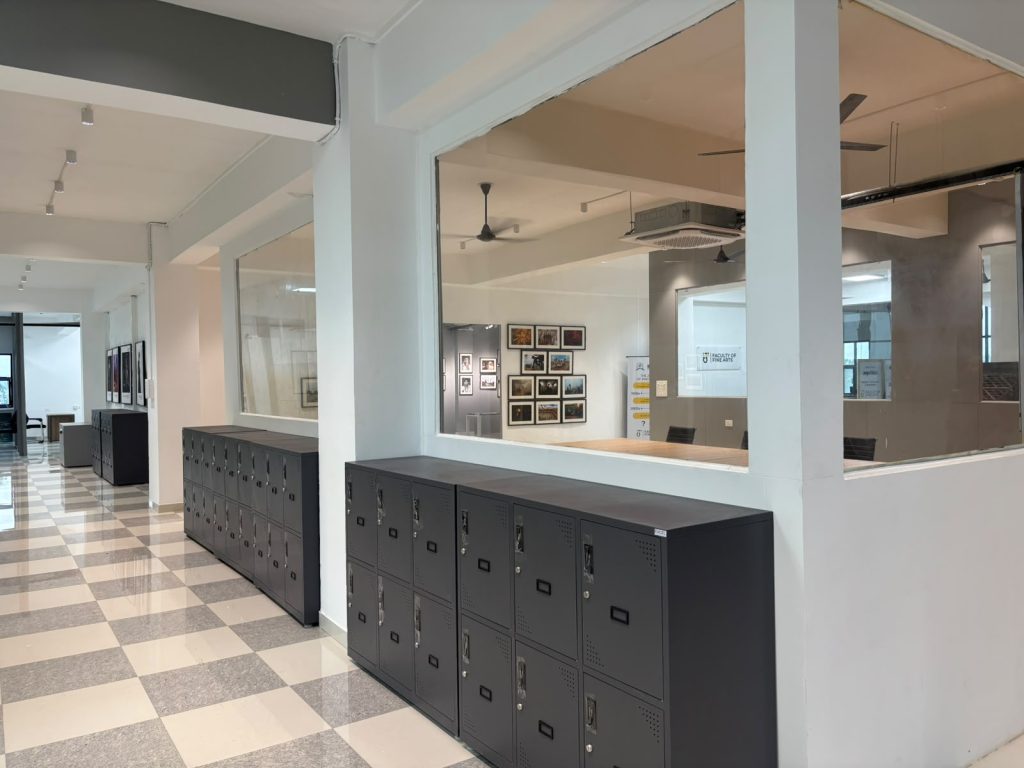
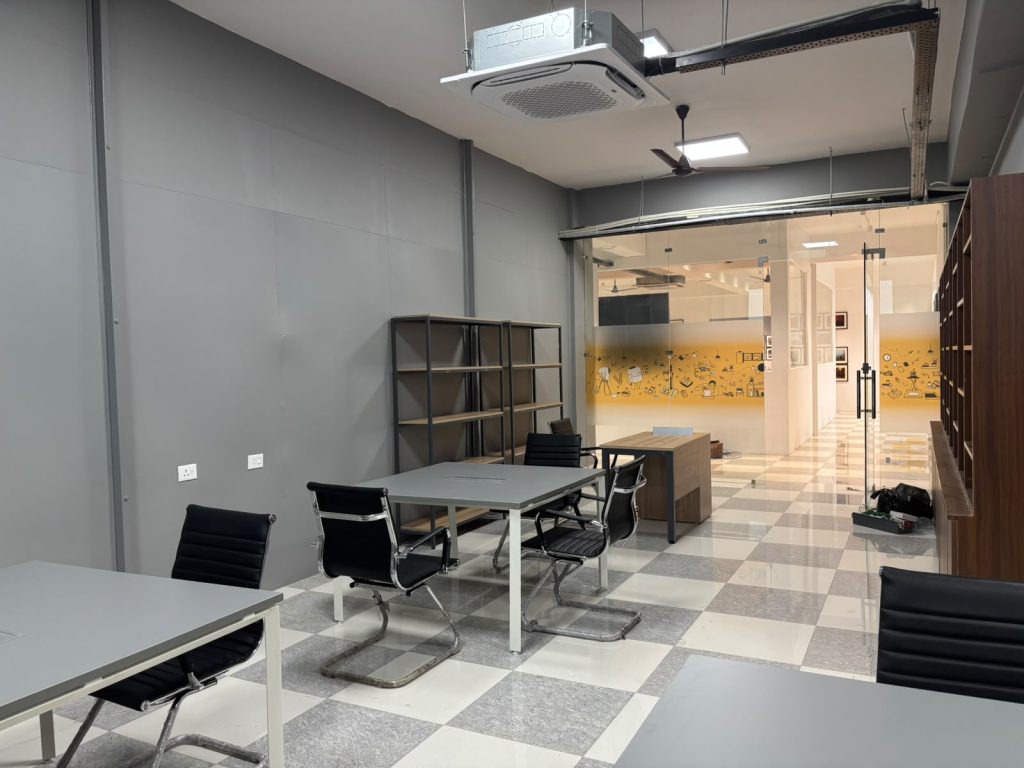
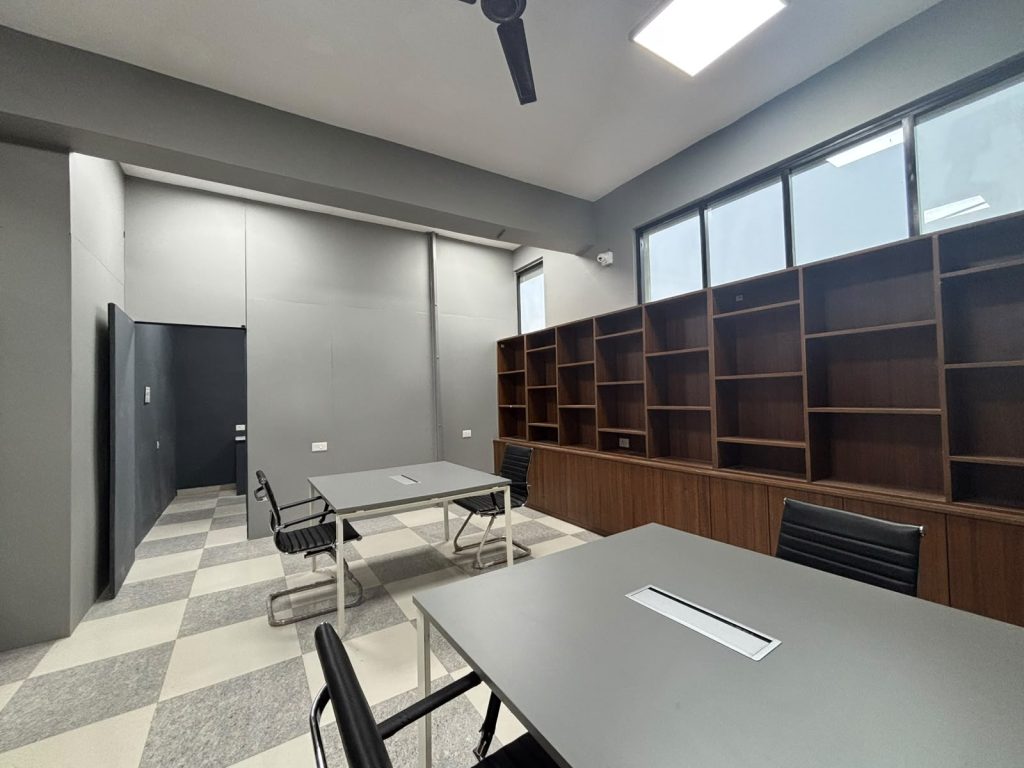
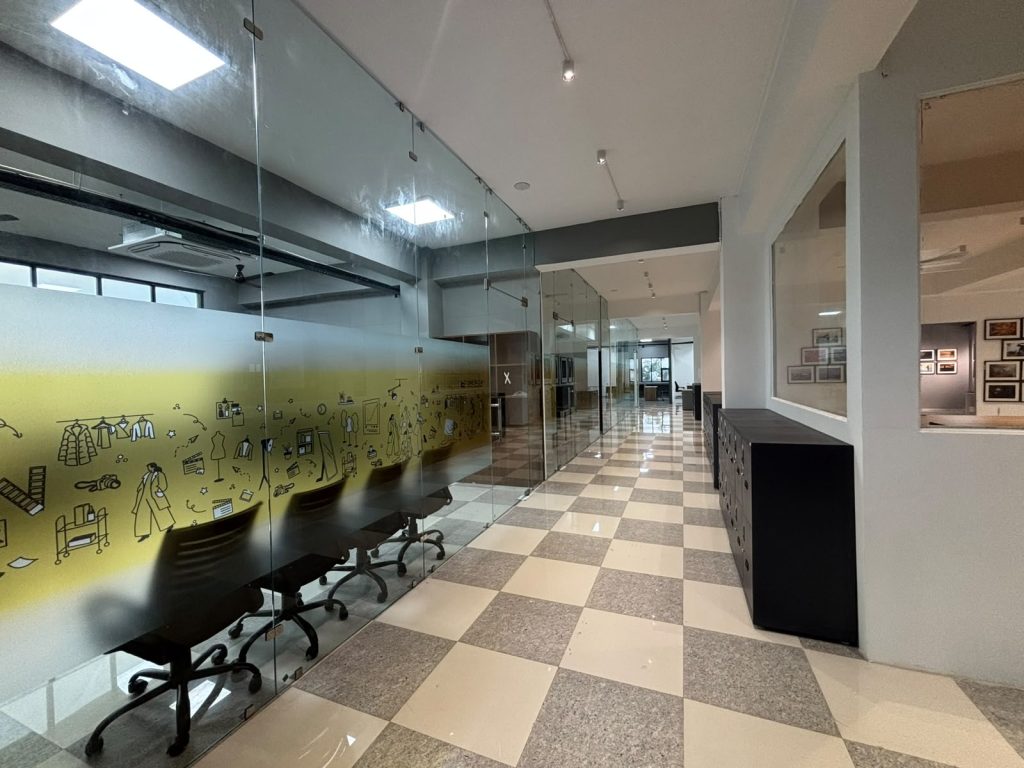
Considerable emphasis has therefore been placed on creating the physical and academic environment required for contemporary visual arts education. Dedicated spaces are being developed to support learning, creative practice, exhibitions and interactions – allowing the campus itself to become an active space for experiencing art.
The objective is to progressively build an environment in which students do not merely study visual arts they live, practise, exhibit and participate in them.
IIP Academy and BIU: A Strategic Collaboration
The partnership between IIP Academy and Bareilly International University brings together two complementary strengths.
Bareilly International University provides the scale, multidisciplinary university environment and institutional infrastructure necessary to create a substantial academic platform.
IIP Academy brings its specialised experience in photography and visual communication, its understanding of the professional creative ecosystem, and its longstanding engagement with photographers, mentors and practitioners.
Together, the institutions envision the Faculty of Fine Arts as a platform capable of creating new standards in visual arts education while simultaneously exposing students to national and international practices.
The larger purpose is clear: to bridge academic learning with the world in which art is actually being created, exhibited, discussed and experienced.
Beginning With an Exhibition of National Significance
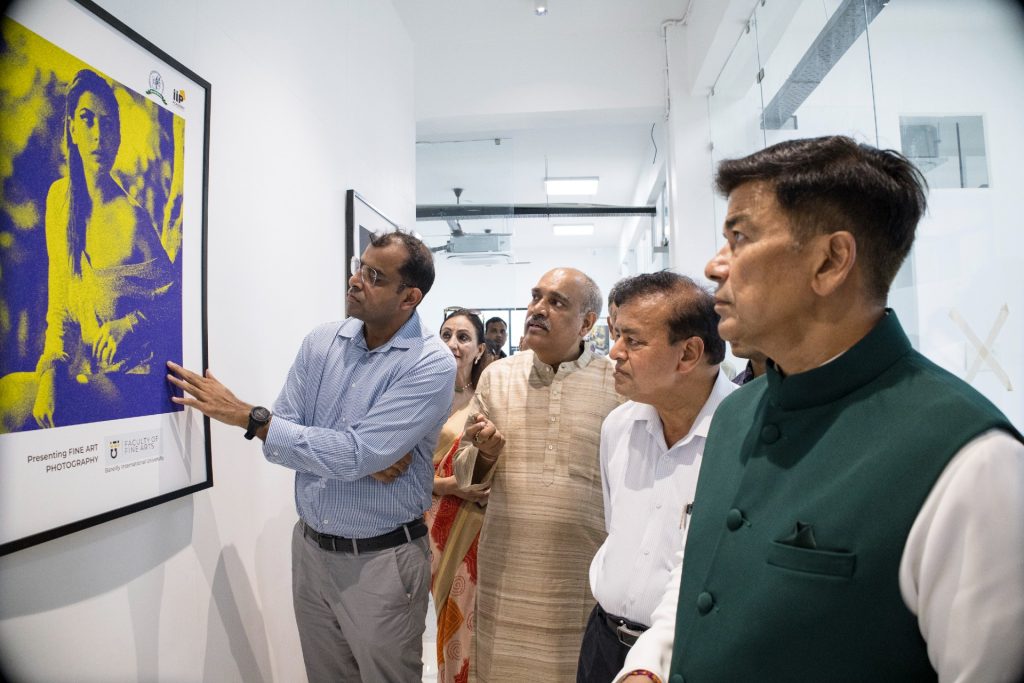
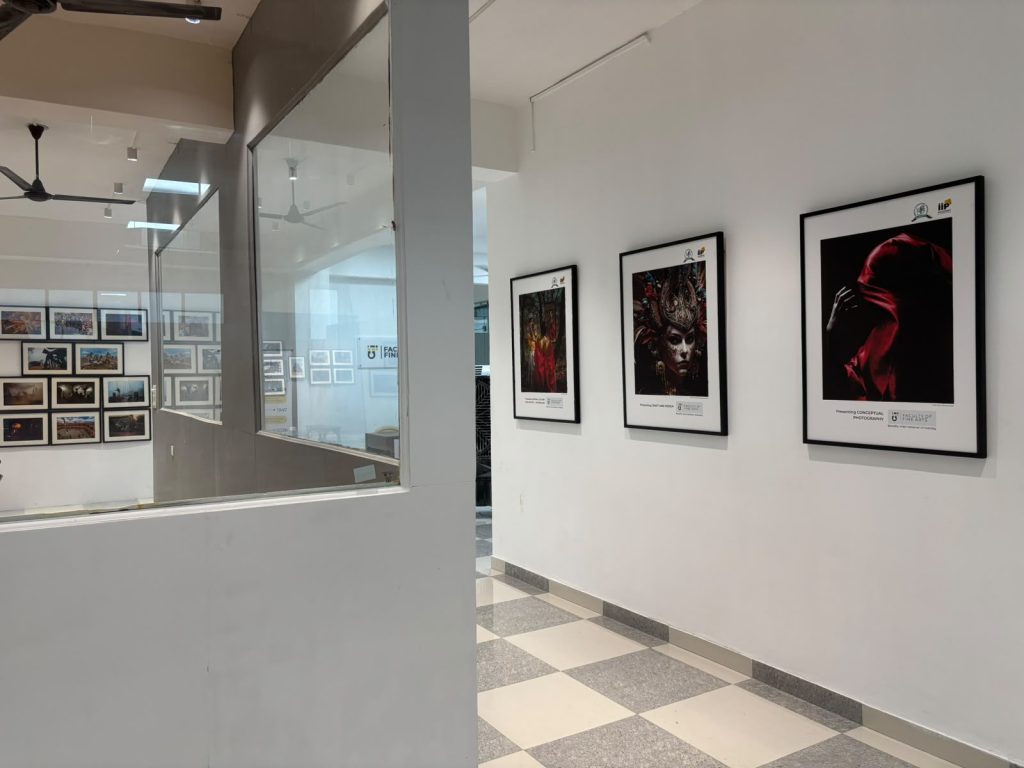
It was fitting that the launch of the Faculty began not merely with speeches, but with photographs on the walls.
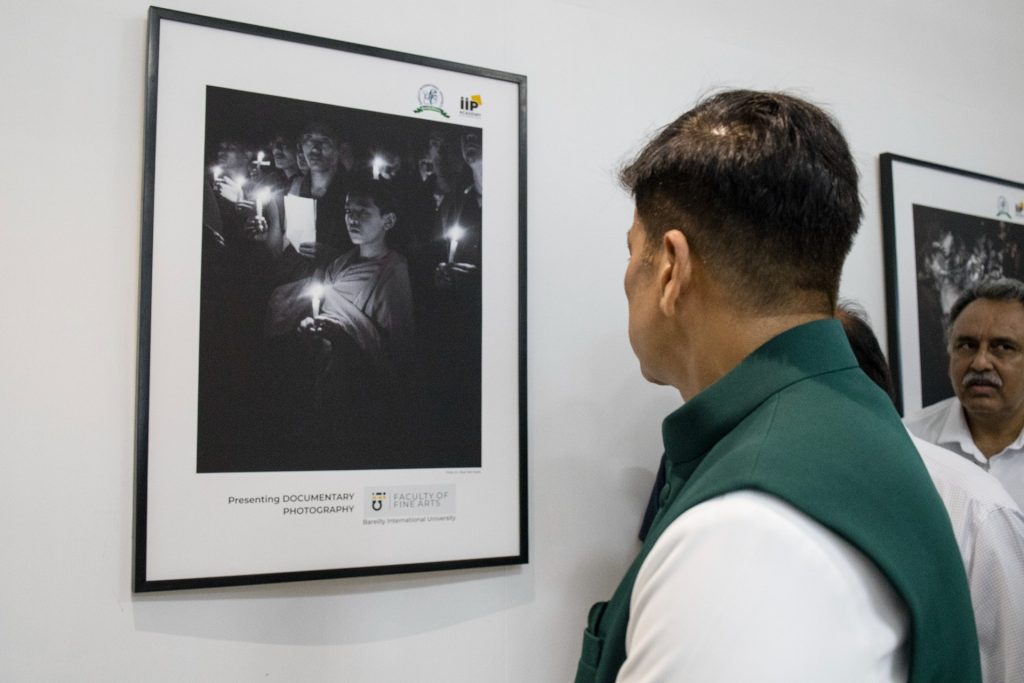
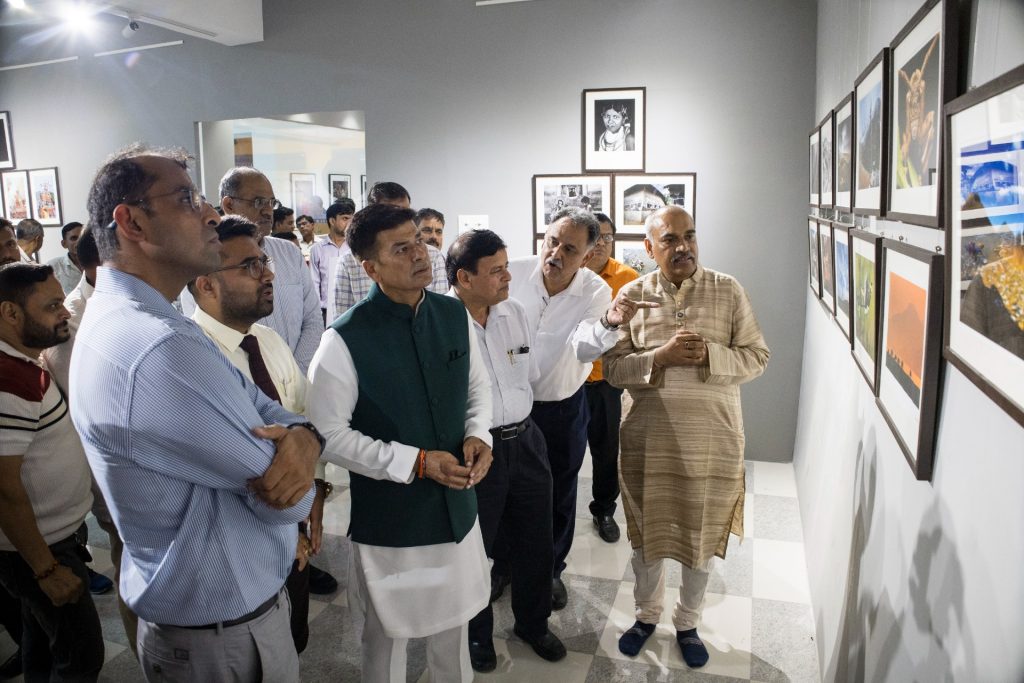
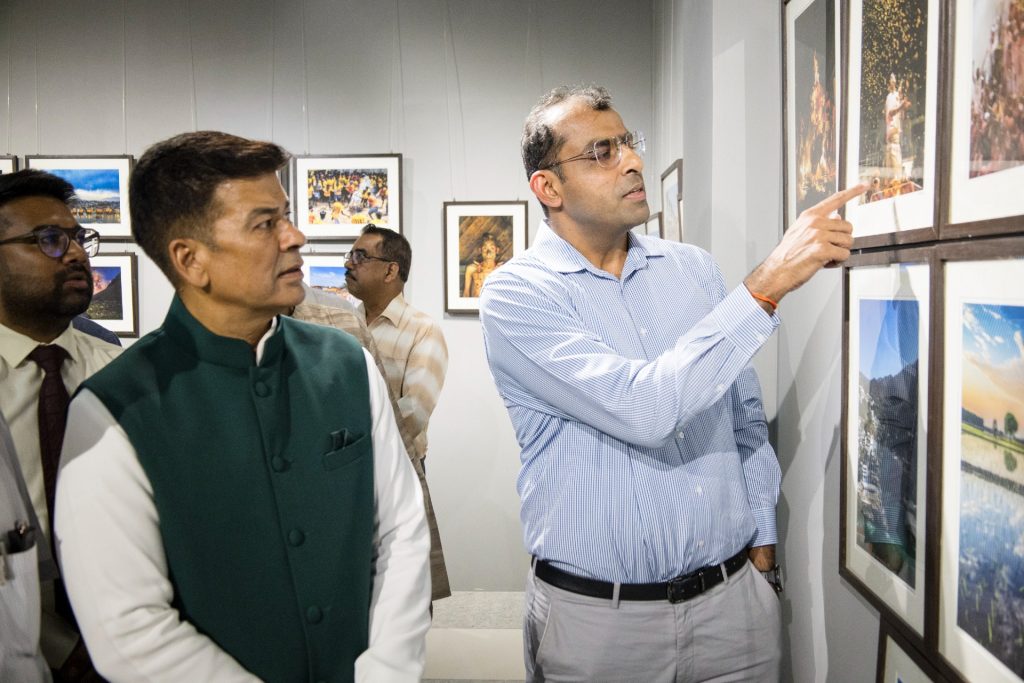
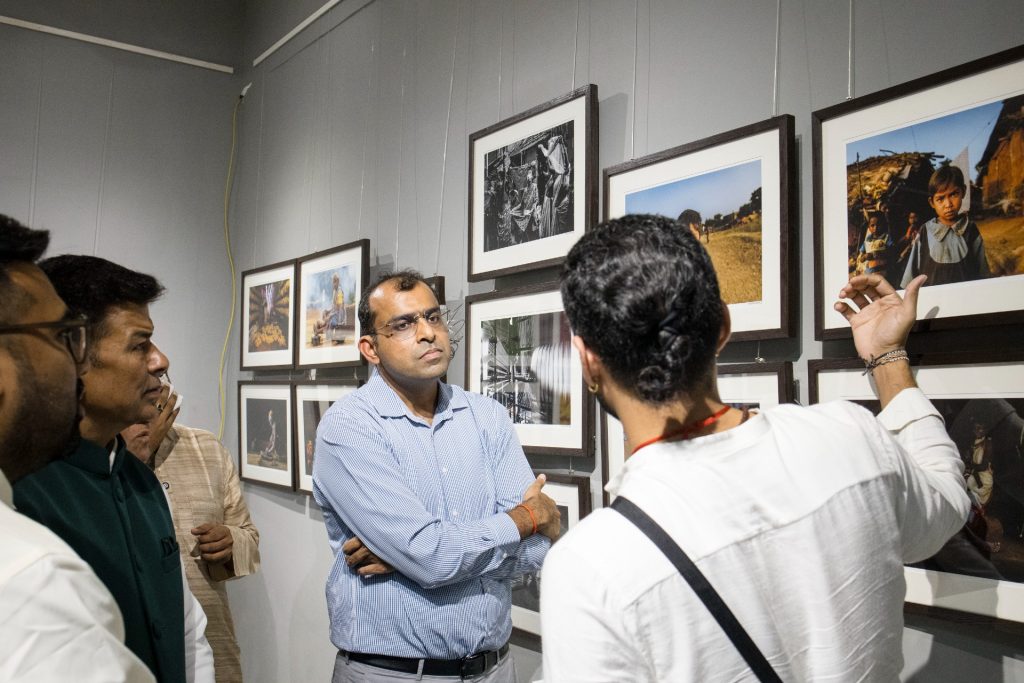
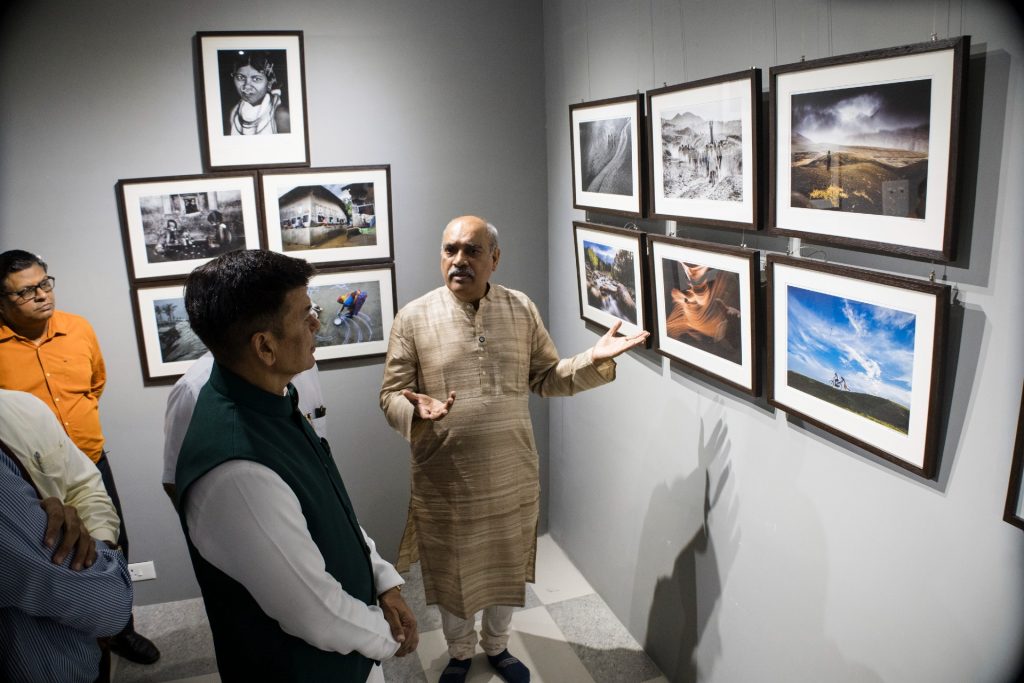
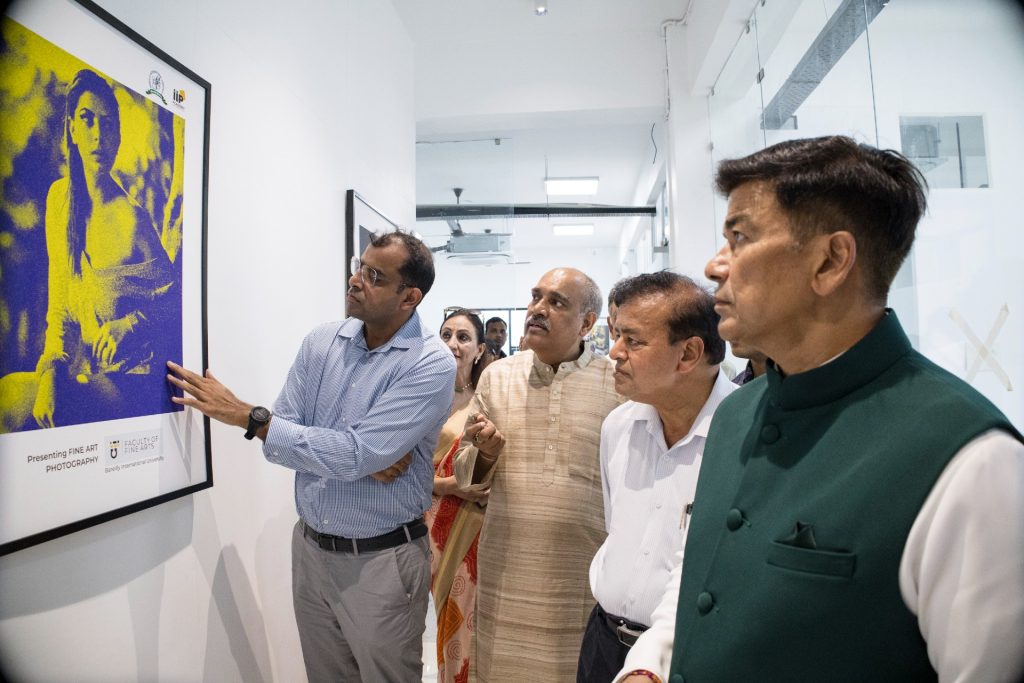
The inauguration was accompanied by the National Photography Exhibition, 200 Years of Light, organised in association with the Lalit Kala Akademi, Ministry of Culture, Government of India.
The exhibition brought together works by 50 of India’s foremost photographers, creating an extraordinary visual experience for students, faculty members, guests and visitors.
The significance of beginning the Faculty’s journey with an exhibition of this stature goes beyond the event itself.
For a young student entering the world of photography or visual arts, encountering the work of accomplished practitioners can be as important as any classroom lesson. It creates curiosity. It raises questions. It establishes benchmarks. Most importantly, it demonstrates that an image can move beyond the camera and become part of a larger cultural dialogue.
That is precisely the environment the Faculty of Fine Arts seeks to create.
200 Years of Light
Photography is inseparable from light.
From the earliest experiments that eventually gave birth to the photographic image to today’s computational cameras and digital visual culture, our ability to capture light has fundamentally changed how humanity remembers, documents and understands the world.
200 Years of Light therefore becomes more than an exhibition title.
It is a celebration of the remarkable journey of photography – and of generations of image-makers who have used the camera to document history, interpret society, explore beauty, challenge perceptions and preserve human experience.
Bringing this exhibition into a university environment also carries a powerful message for the next generation:
Before becoming a profession, photography is a way of seeing.
And learning to see is at the heart of every meaningful visual arts education.
When Infrastructure Meets Imagination
In the days leading up to the inauguration, the Faculty spaces presented another story – one rarely visible to an exhibition visitor.
Framed photographs were carefully unpacked and placed across the gallery floor. Students, faculty members and organisers discussed sequences and positions. Images were examined against walls. Distances were reconsidered. Works were moved, compared and moved again.
These seemingly small decisions are part of the invisible craft behind every meaningful exhibition.
And for students, participating in this process provides an education of its own.
They begin to understand that presenting art involves responsibility. How one photograph converses with another matters. How an image occupies a wall matters. Lighting matters. Sequence matters. Space matters.
The gallery itself becomes a classroom.
This combination of infrastructure, experience and participation is central to the philosophy behind the new Faculty.
Connecting Students With India’s Cultural Institutions
The association with Lalit Kala Akademi, Ministry of Culture, Government of India, for the inaugural photography exhibition is particularly meaningful.
Institutions such as Lalit Kala Akademi occupy an important place in India’s cultural landscape. Creating opportunities for university students to encounter exhibitions and initiatives connected with national cultural institutions expands their understanding of the ecosystem in which artists operate.
It also creates possibilities for deeper conversations around exhibitions, artistic practice, documentation, archives, scholarship and India’s visual heritage.
For the Faculty of Fine Arts, these connections will be important as it develops into a centre that looks simultaneously towards education, professional practice and culture.
From Bareilly to the World
There is another important dimension to this initiative.
World-class creative education should not be restricted to a handful of metropolitan centres.
Talent exists everywhere.
What is often missing is access – access to infrastructure, mentors, institutions, exposure and an environment that allows that talent to grow.
The collaboration between Bareilly International University and IIP Academy has the potential to address precisely this gap.
By developing serious visual arts education and infrastructure in Bareilly and connecting it with respected photographers, artists, institutions and wider creative networks, the Faculty can create opportunities for students from the region while simultaneously building a platform with a national and eventually international outlook.
The ambition is therefore larger than geography.
The Faculty may be located in Bareilly, but its horizon must be global.
The Beginning of a Longer Journey
Institutions are not created by buildings alone.
They are built over time through ideas, teachers, students, conversations, experimentation, collaborations and the quality of work they eventually send into the world.
The inauguration of the Faculty of Fine Arts is therefore a beginning.
For Bareilly International University, it represents an expansion of its academic vision into an important creative discipline.
For IIP Academy, it represents an opportunity to take years of engagement with photography and visual education into a larger multidisciplinary university ecosystem.
For students, it opens a new space to learn, create, question and discover.
And for the wider visual arts community, it presents another platform through which photography and art can reach new audiences and inspire a new generation.
As the first photographs found their place on the gallery walls during 200 Years of Light, they also symbolised something larger.
Two centuries after photography began its extraordinary relationship with light, another generation is preparing to find its own way of seeing.